


 David interview
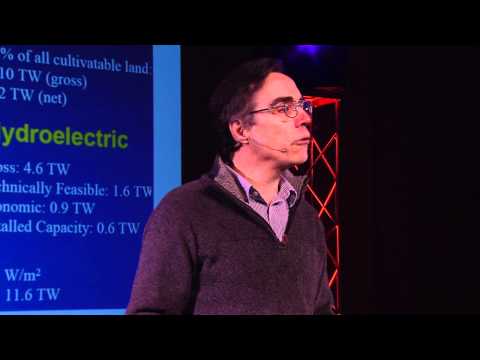 Ted Talk
A Lesson Beyond the Classroom
After David became a professor at the University of Pittsburgh, my mother, my sister Lisa, and I went to visit him. He gave us a tour of his laboratory and office, and we enjoyed seeing where he taught and conducted his research. While we were there, one of David’s students walked into his office carrying a paper that had been due the day before. The student wanted to turn it in late and had an explanation for why it wasn’t submitted on time. David’s position was simple: the deadline was the deadline. If an assignment was due on a certain day, it had to be turned in then. He wasn’t inclined to accept late work. My mother immediately stepped in. “David,” she said, “you will take that student’s paper.” David answered just as firmly, “No, I won’t.” Then my sister Lisa joined the conversation. She reached for the paper and told the student, “Give it to me. I’ll make sure he takes it.” David still refused, insisting that he wasn’t going to accept it. I sat there watching this exchange in amazement. Here was a respected university professor arguing with his mother and sister over a student’s late paper, while the student stood quietly nearby, probably wondering whether the assignment would be accepted or not. Eventually, Lisa told the student they could leave. She kept the paper, convinced that David would ultimately accept it, and my mother continued to insist that he should. For years, I never knew how the story ended. Not long before David passed away, I asked him if he remembered that day. He smiled and said that he did. He explained that, at the time, he believed deadlines should always be enforced. But after he eventually sat down with the student, he learned the real reason for the late paper: the student’s parent had died. That conversation changed him. David told me that it made him realize students have lives outside the classroom. Sometimes they face circumstances that are far more important than any assignment or deadline. He accepted the paper and gave the student full credit for the work. More importantly, he said the experience changed the way he approached teaching. From then on, he tried to give students an opportunity to explain their situations before making a decision. Rules still mattered, but compassion mattered too. Looking back, I think that was one of the most important lessons David learned as a professor. He didn’t lower his standards—he simply learned that understanding people is just as important as enforcing deadlines.